Random Access Memory (RAM)
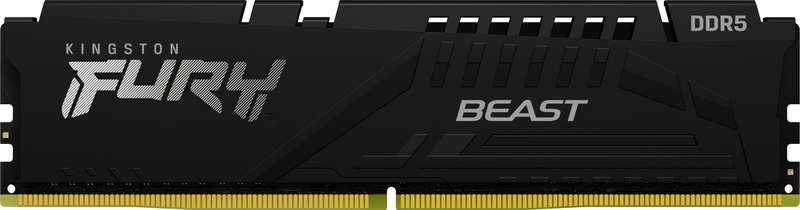
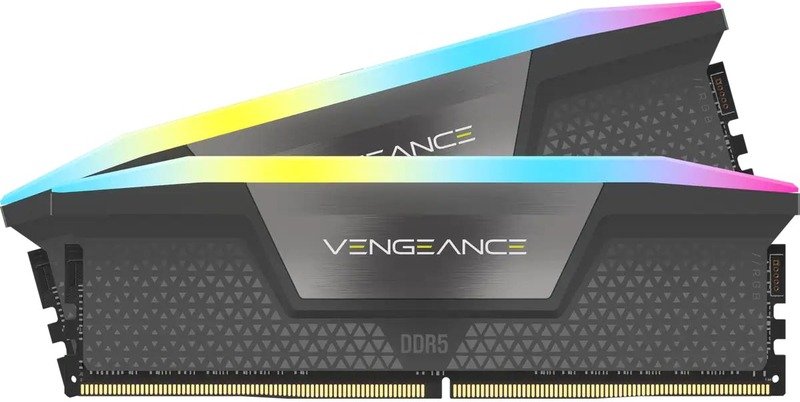
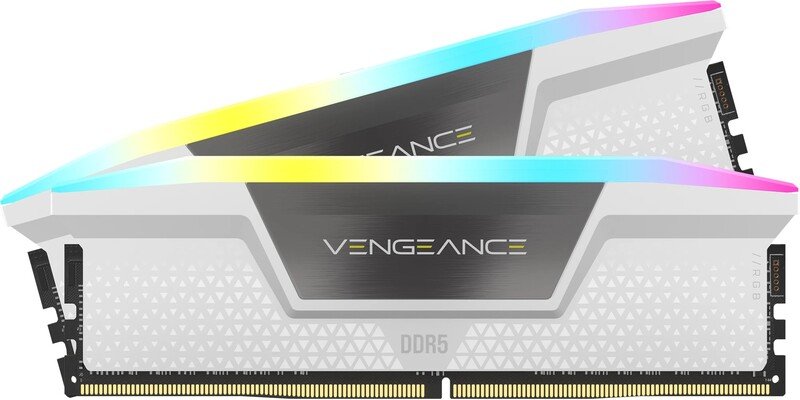
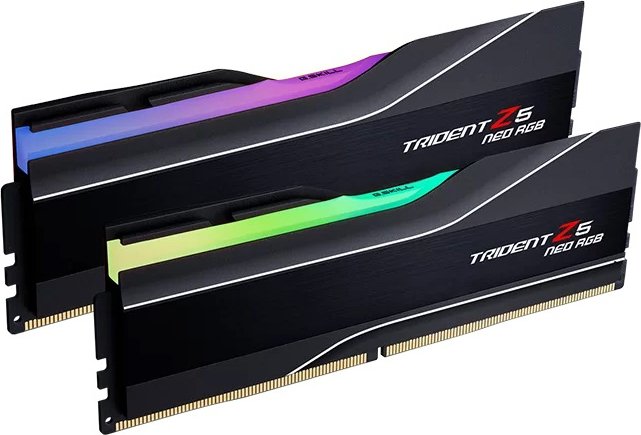
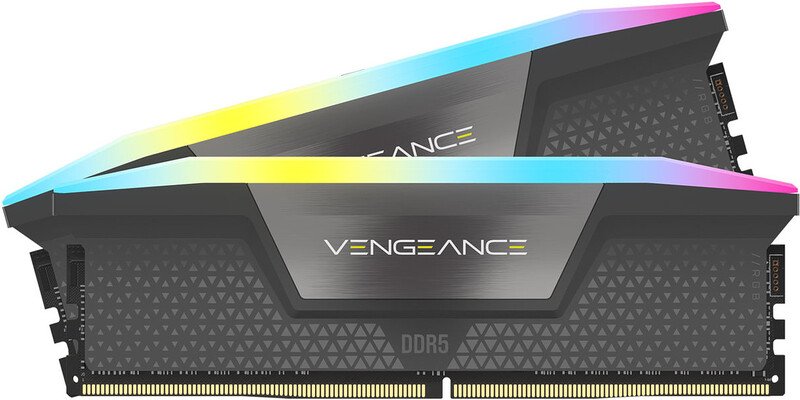
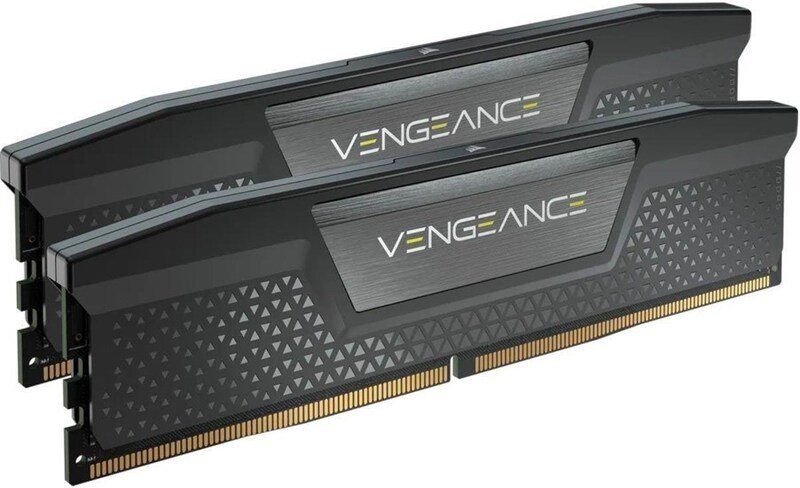
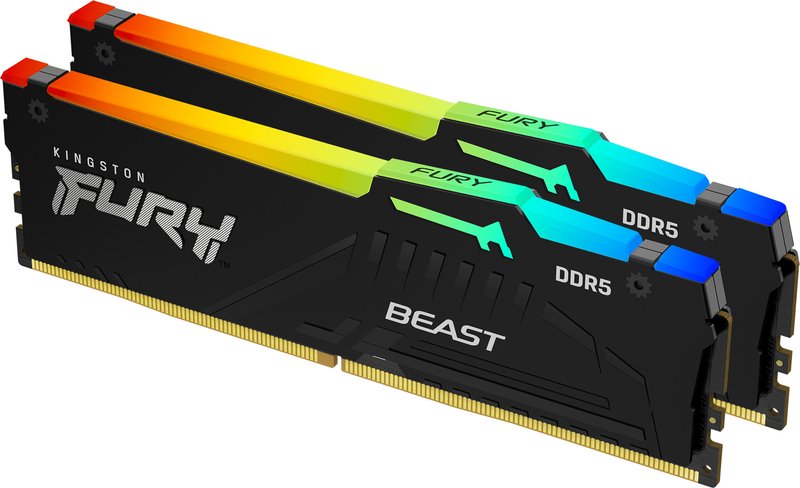
RAM (Random Access Memory) is a crucial component in any computer, acting as the system’s short-term memory where active data and programs are stored for quick access. Unlike storage drives, which retain data long-term, RAM is volatile memory, meaning it temporarily holds information that the CPU needs to access immediately. This allows your system to run multiple applications simultaneously without slowing down.
Modern RAM modules come in different types, such as DDR4 and DDR5, each offering improvements in speed, bandwidth, and energy efficiency. Higher frequency RAM can handle data more quickly, which directly impacts system responsiveness, game performance, and multitasking capabilities. The amount of RAM installed also plays a significant role, with more memory enabling smoother operation when running memory-intensive software or multiple applications at once.
RAM isn’t just about capacity; latency and timings also affect performance. Modules with lower latency can access data faster, which is particularly important in gaming, video editing, and other professional applications. Many RAM kits also support features like XMP (Extreme Memory Profile), allowing users to easily overclock their memory for enhanced performance without manual configuration.
From casual users to gamers and professionals, high-quality RAM is essential for a smooth and responsive computing experience. Upgrading or optimizing your RAM can dramatically improve system speed, reduce lag, and make multitasking seamless. With ongoing advancements in memory technology, today’s RAM provides both power and efficiency for modern computing needs.
